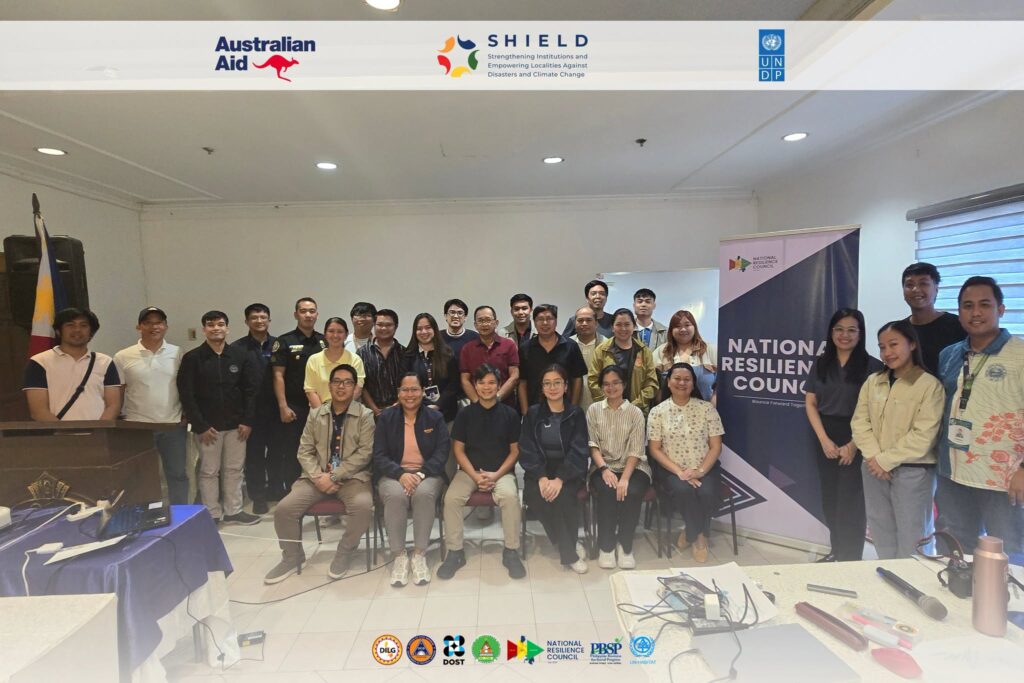
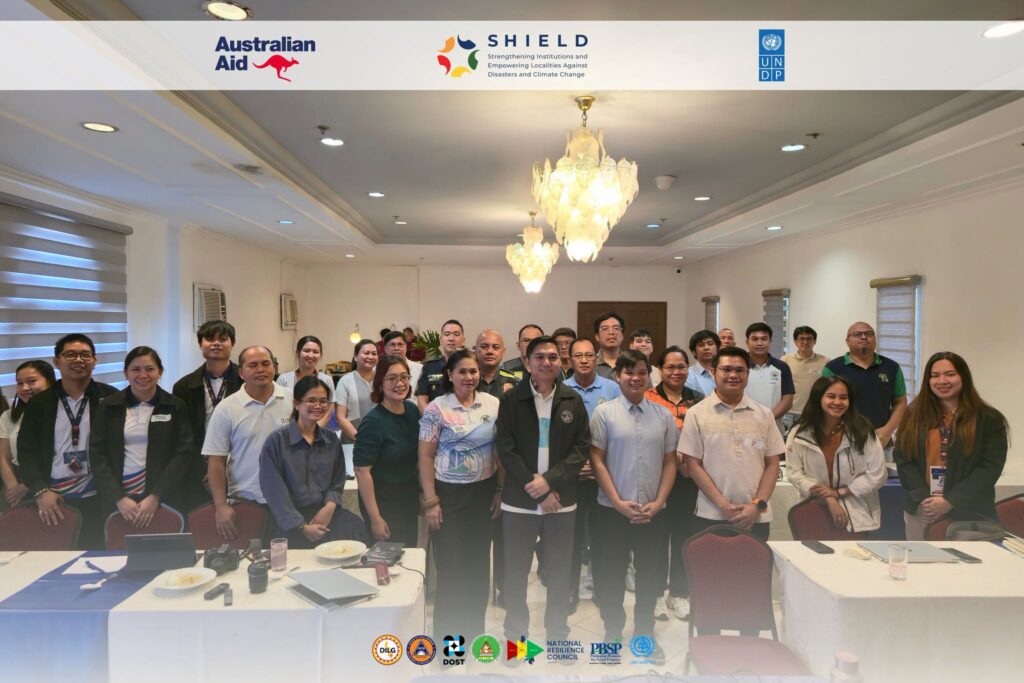
The activity brought together representatives from provincial offices, National Government Agencies, and other stakeholders to assess existing systems, validate available data, and identify areas for improvement. Participants revisited the five RLGSS pillars—Local Economy, Human Development, Environment, Infrastructure, and Human Security—and examined how each contributes to a resilient local government. Through discussions and workshops, existing initiatives, mechanisms, and gaps were surfaced across the Province. The activity emphasized that resilience requires a whole-of-government and interconnected approach.
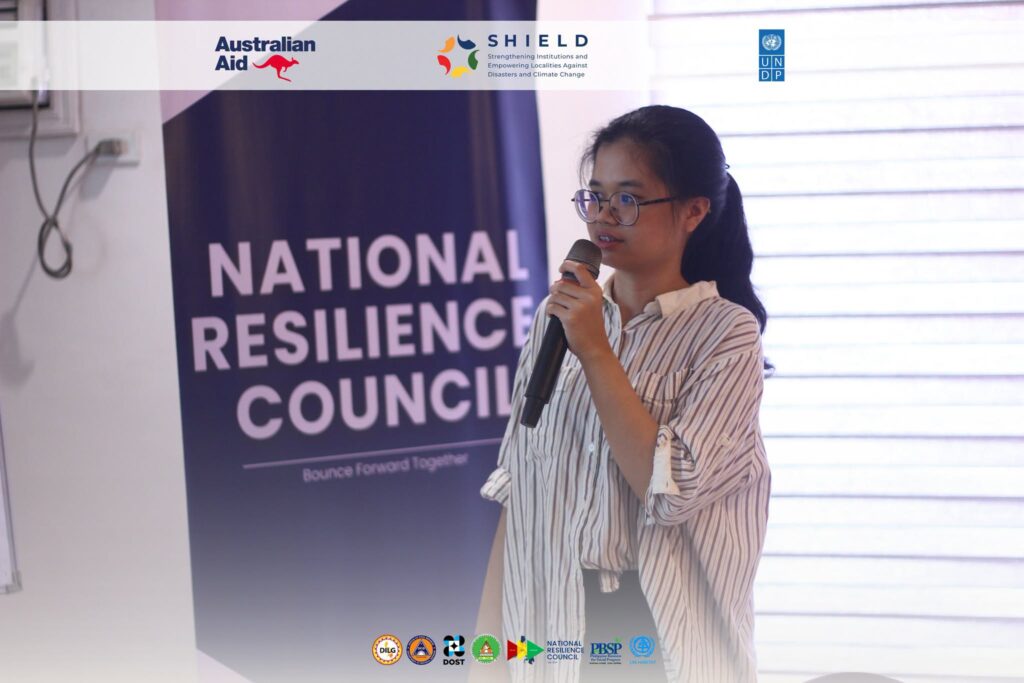
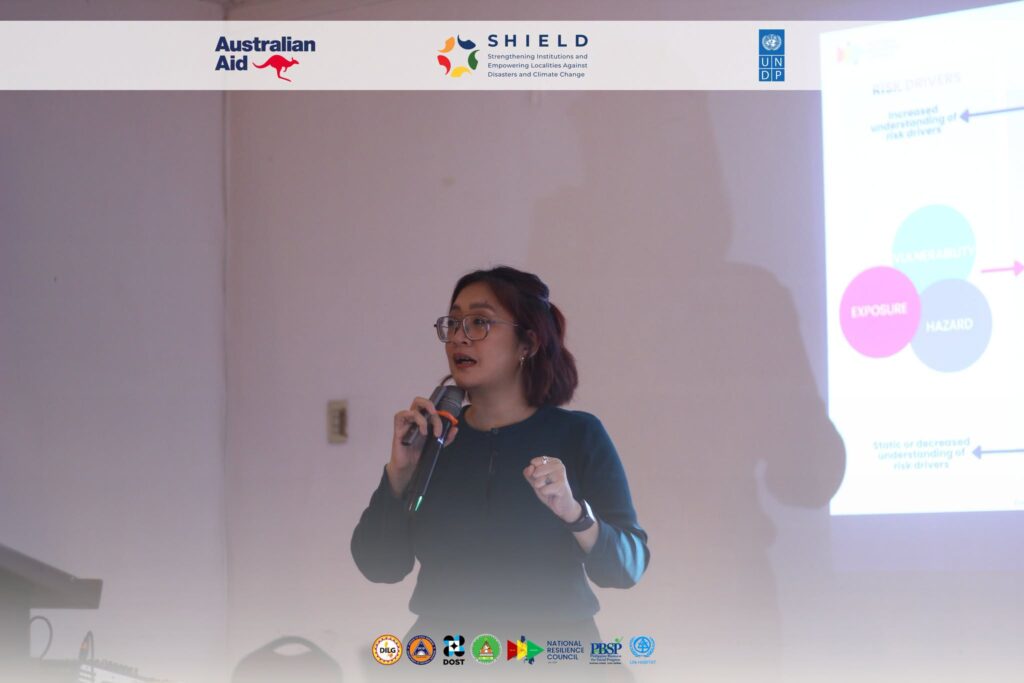
During the Prepare Phase, participants revisited the Province’s existing resilience capacities and validated programs and mechanisms across the five pillars. The assessment demonstrated the value of contextualization, with Quezon’s baseline score increasing from 48.91% to 54.35%, and further reaching 68.37% during pre-validation. The Adapt Phase then focused on strengthening existing systems, reviewing indicators and Means of Verification, and identifying areas requiring further development. Discussions highlighted opportunities to strengthen environmental management, human development, human security, infrastructure, and the local economy. Participants also developed proposed actions under the Resilience Action Plan, including stronger environmental governance, infrastructure audits, community engagement, and policy and systems review.
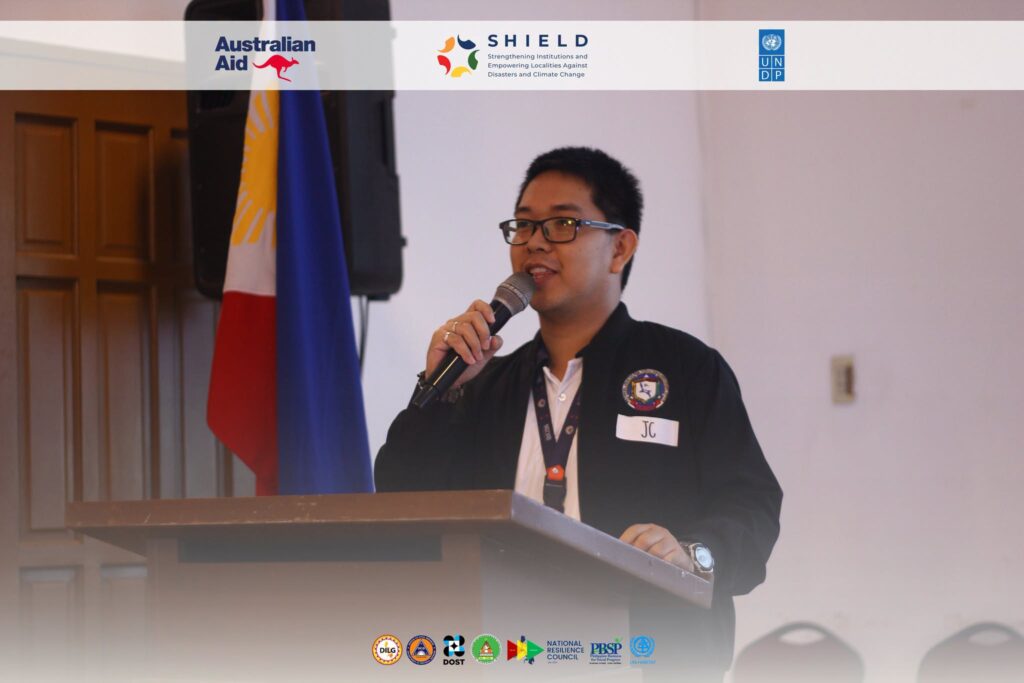
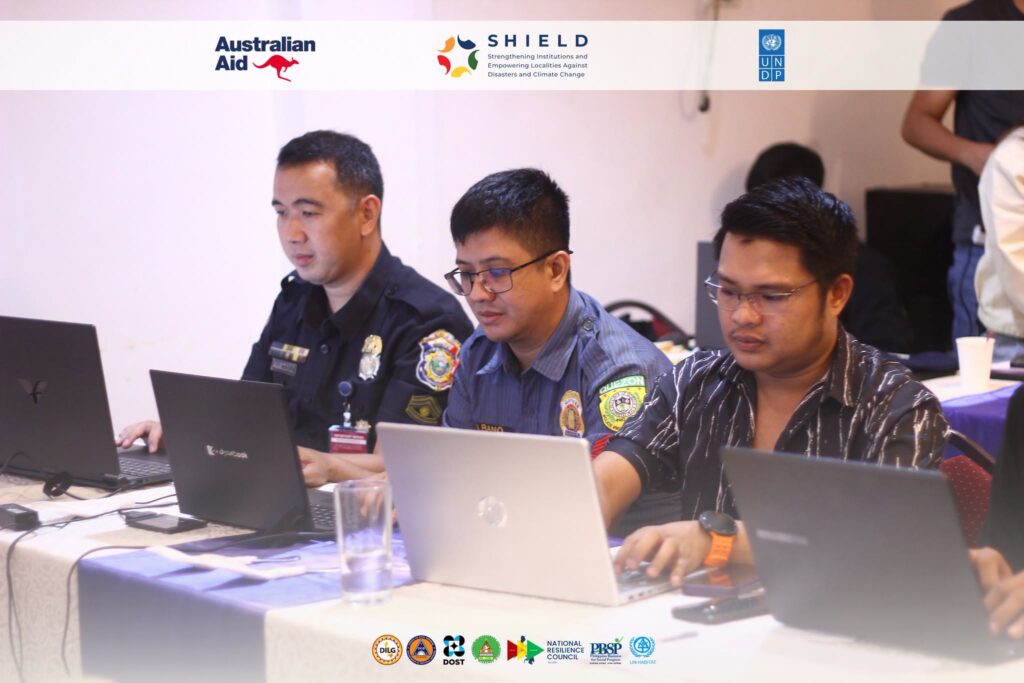
The Transform Phase encouraged participants to look beyond individual programs and examine the interconnected factors shaping resilience in Quezon Province. Guided by the Province’s HEALING Agenda—Health, Education, Agriculture, Livelihood, Infrastructure, Nature, and Governance—participants explored how resilience priorities are connected across sectors. The discussions introduced Systems Thinking and the Five Disciplines of Learning Organizations as approaches for understanding complex risks and strengthening institutional learning. Participants reflected on issues such as flooding, recognizing that resilience requires looking beyond hazards to factors such as land use, drainage, watersheds, infrastructure, and human activities. The sessions also highlighted the importance of equity, shared vision, collaboration, and partnerships in designing resilience solutions that respond to different community needs.
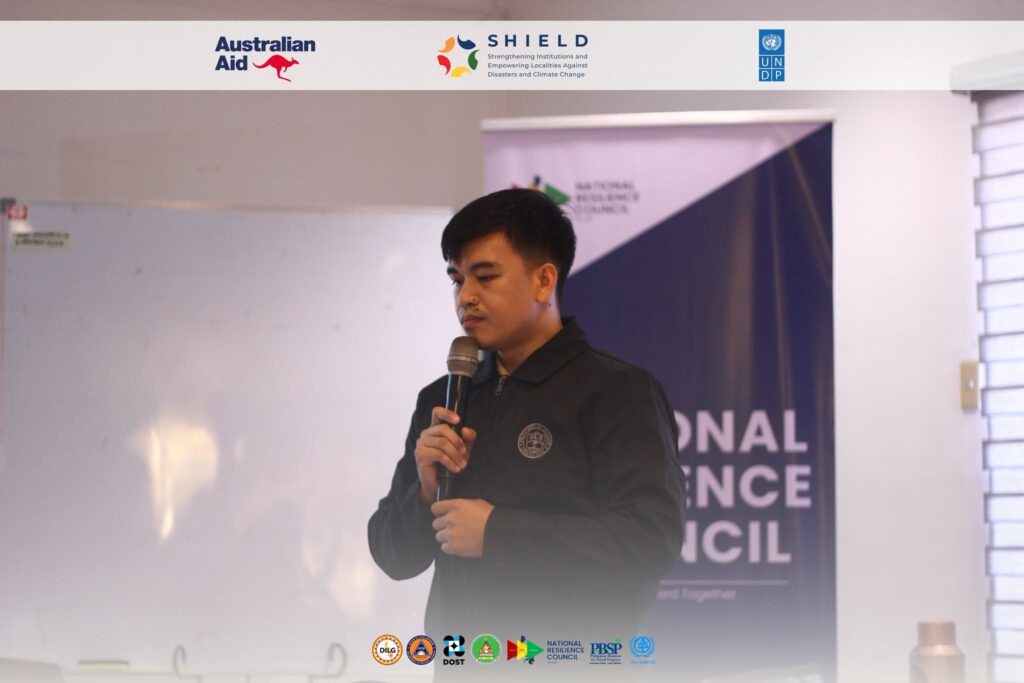
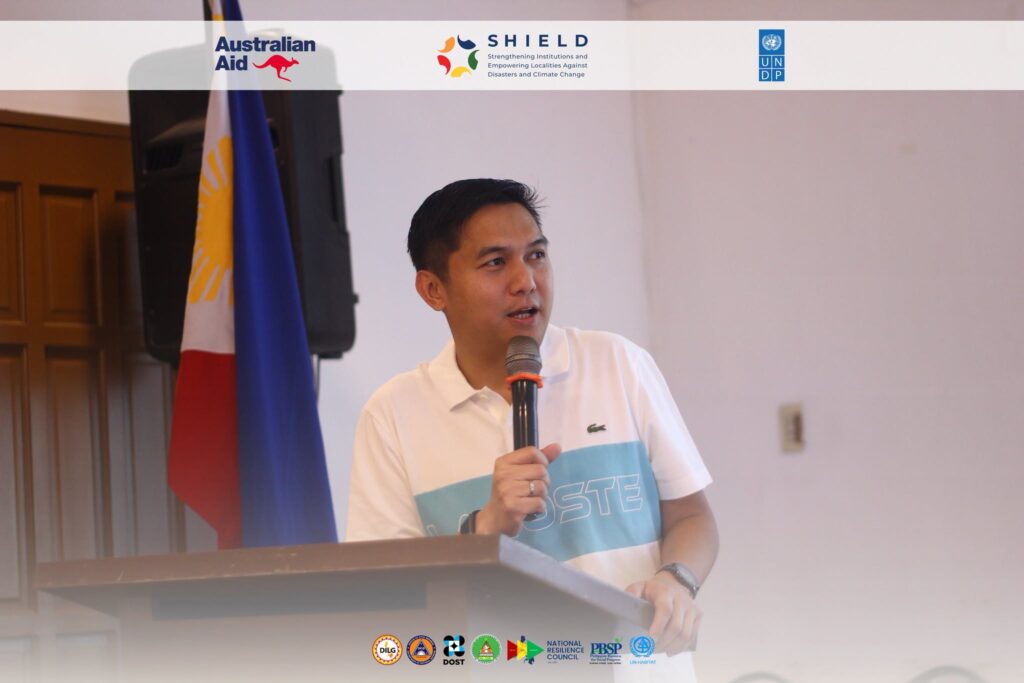
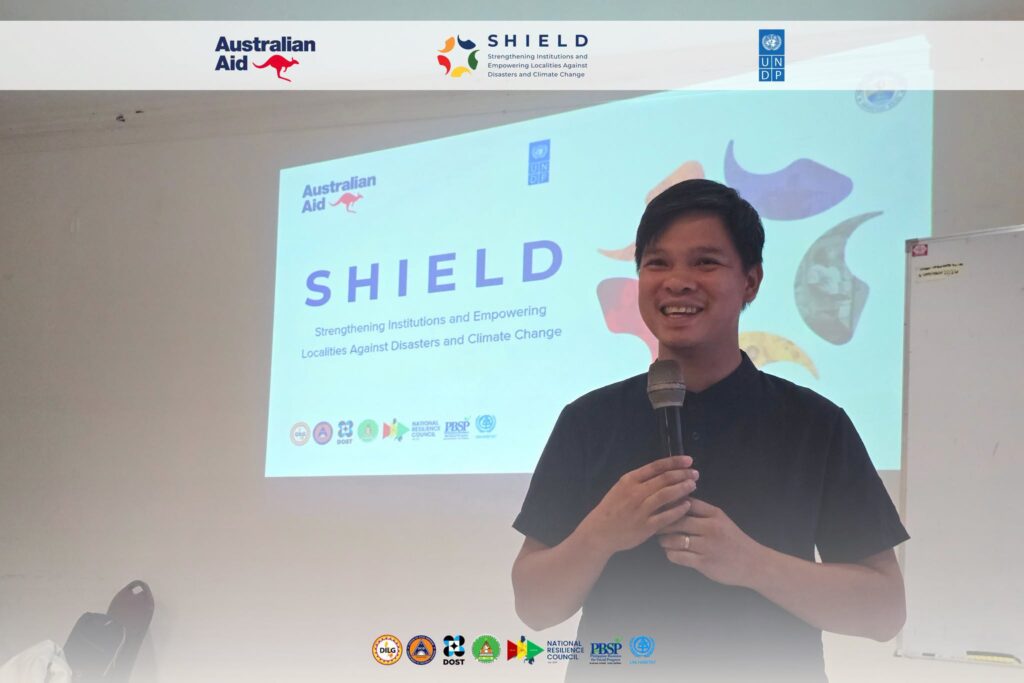
Ultimately, the three-day engagement reinforced that resilience is not achieved through a single plan, project, or institution. It requires continuous learning, stronger systems, meaningful partnerships, and the ability to translate knowledge and plans into action. From strengthening local economic opportunities and environmental governance to improving infrastructure, human development, and community protection, Quezon Province continues to build on existing capacities while addressing gaps.
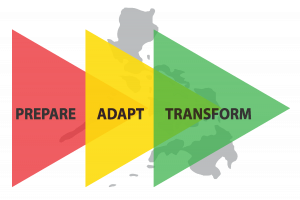
The discussions also emphasized the importance of bringing together provincial offices, communities, civil society, the private sector, academe, and other stakeholders to create more integrated and sustainable solutions. Together, let us continue to PREPARE, ADAPT, and TRANSFORM toward a safer, more inclusive, and resilient Quezon Province.
#NationalResilienceCouncil#RLGSS#SHIELD#QuezonProvince