Quezon Province took another step toward strengthening local resilience through the Resilient Local Government Systems Scorecard (RLGSS) Re-Orientation, Contextualization, Baselining, and Resilience Action Planning
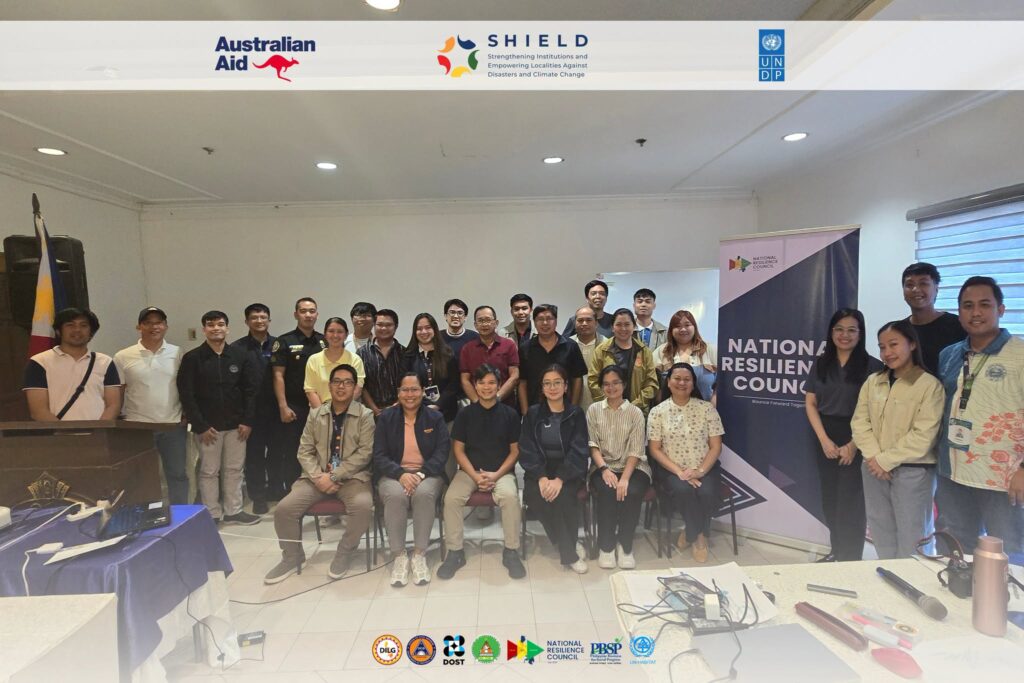
The activity brought together representatives from provincial offices, National Government Agencies, and other stakeholders to assess existing systems, validate available data, and identify areas for improvement. Participants revisited the five RLGSS pillars—Local Economy, Human Development, Environment, Infrastructure, and Human Security—and examined how each contributes to a resilient local government. Through discussions and workshops, existing initiatives, […]

Strengthening Resilience through Science, Technology, and Innovation
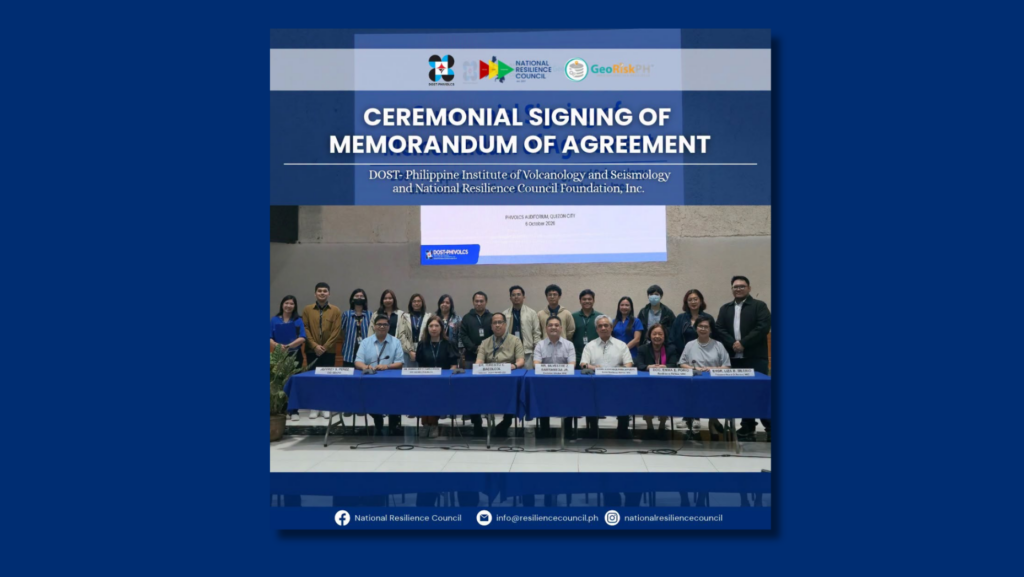
The National Resilience Council (NRC), together with the DOST–Philippine Institute of Volcanology and Seismology (DOST-PHIVOLCS), formally inked a Memorandum of Agreement (MOA) to strengthen partnerships in advancing disaster resilience through awareness, technology, and innovation for communities. Through GeoRisk Philippines, this partnership brings science-based hazard and risk information closer to communities and decision-makers, supporting informed planning […]
Achieving a more resilient Northern Samar through the NRC Thematic Phases
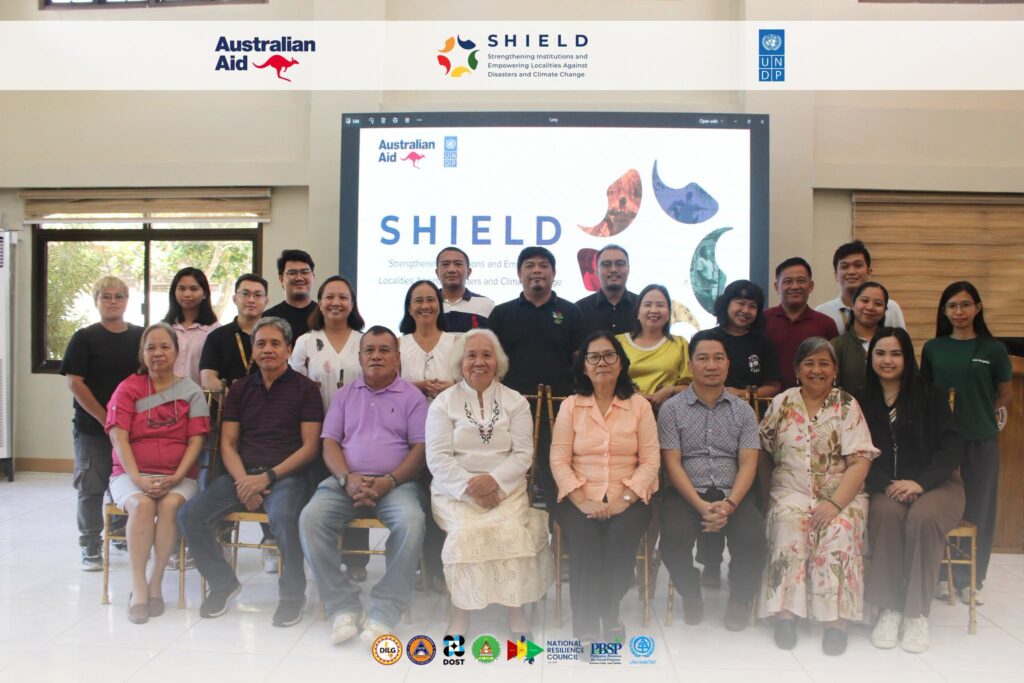
From September 22–24, 2026, representatives from National Government Agencies, Provincial Government Offices, Civil Society Organizations, and People’s Organizations came together at the Governor’s Residence in Northern Samar for the Resilient Local Government Systems Scorecard (RLGSS) Re-Orientation, Contextualization, Baselining, and Resilience Action Planning under the SHIELD Cohort 1 Program Areas. Organized and facilitated by the National […]
Advancing Disaster Preparedness and Community Resilience in Pasig
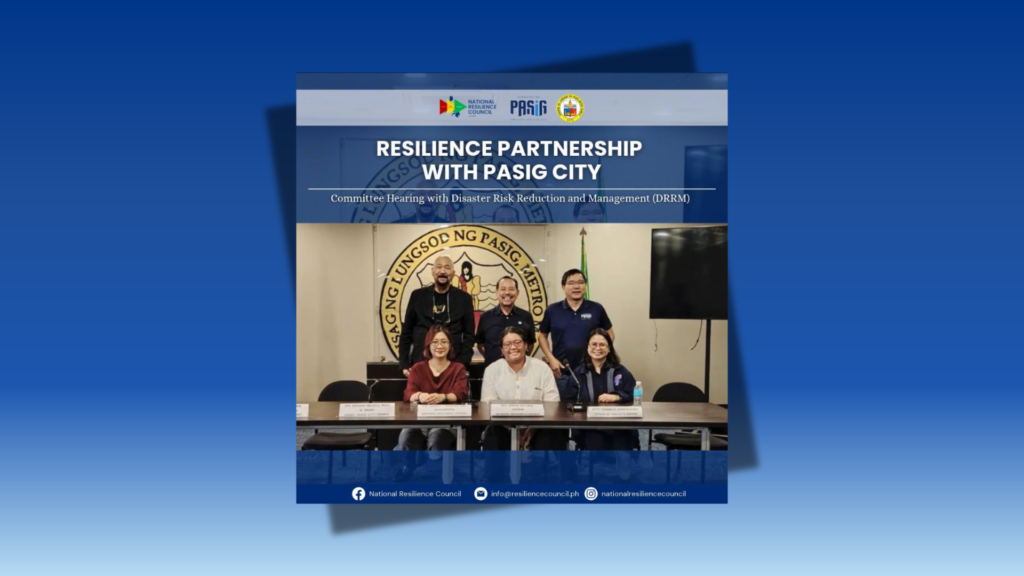
The National Resilience Council (NRC), together with the City of Pasig, convened to discuss Proposed Resolution No. 477-2026, which seeks to strengthen disaster preparedness, emergency response, and community resilience across the city through the Adopt-A-City Initiative. The discussion underscored the importance of cross-sectoral collaboration in building communities that are better equipped to anticipate, prepare for, […]
Mandaue City Continues to Thrive Through Different Resilience Initiatives
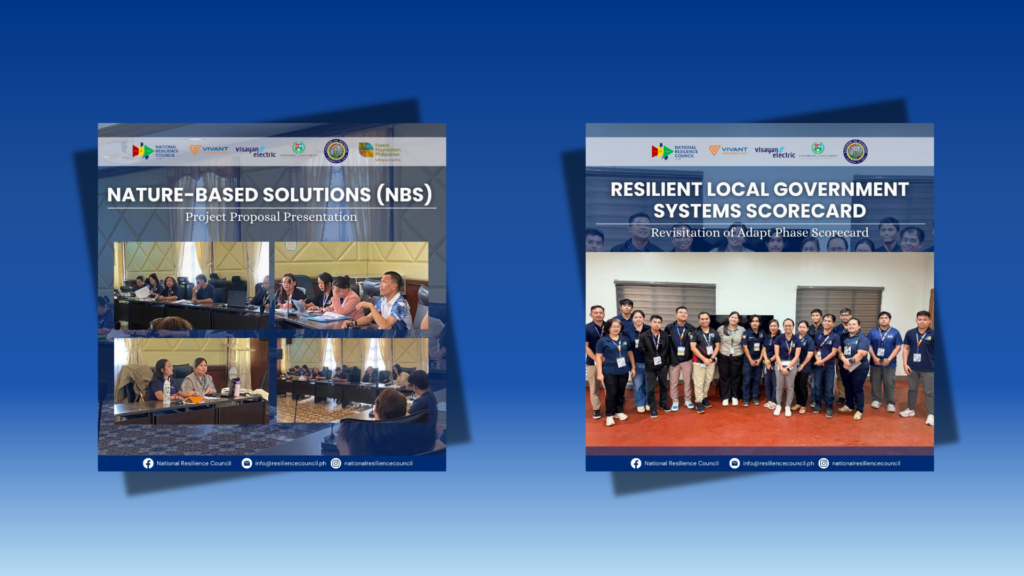
Building resilience starts with recognizing the value of the natural resources that sustain our communities. With the support of the National Resilience Council Foundation (NRF) and Forest Foundation Philippines (FFP), Mandaue City is developing a Nature-Based Solutions (NBS) project proposal for the Butuanon River Watershed—exploring how nature can be part of the solution to local […]
Building Stronger, More Prepared Communities
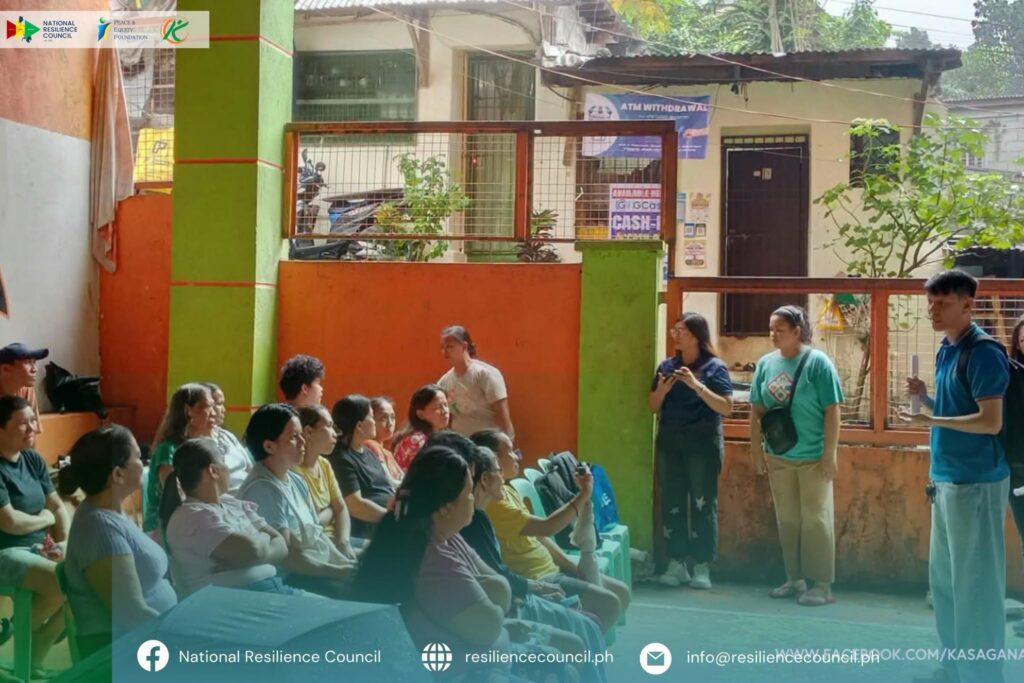
On September 8, 2026, K-COOP members of J. Nakpil 1, Brgy. 176-C, Bagong Silang, Caloocan City, came together for a Focus Group Discussion (FGD) led by the National Resilience Council (NRC), Peace and Equity Foundation (PEF), and K-COOP. The discussion provided a space for members to share their experiences with hazards such as floods and […]
Engineering Resilience: Building to Last
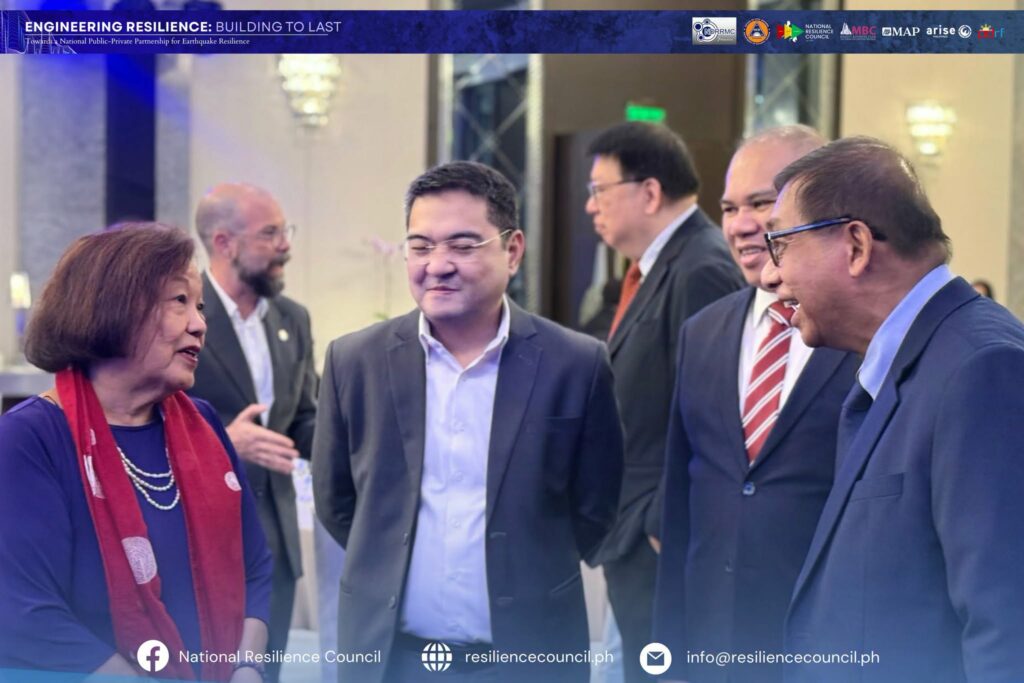
The National Resilience Council (NRC) co-organized the Earthquake Summit 2026, themed “Engineering Resilience: Building to Last,” led by the Office of Civil Defense (OCD) and the National Disaster Risk Reduction and Management Council (NDRRMC), in partnership with Makati Business Club (MBC), ARISE Philippines, the Philippine Disaster Resilience Foundation (PDRF), and the Management Association of the […]
Advancing Local Resilience Through Knowledge Exchange, Collaboration, and Collective Action
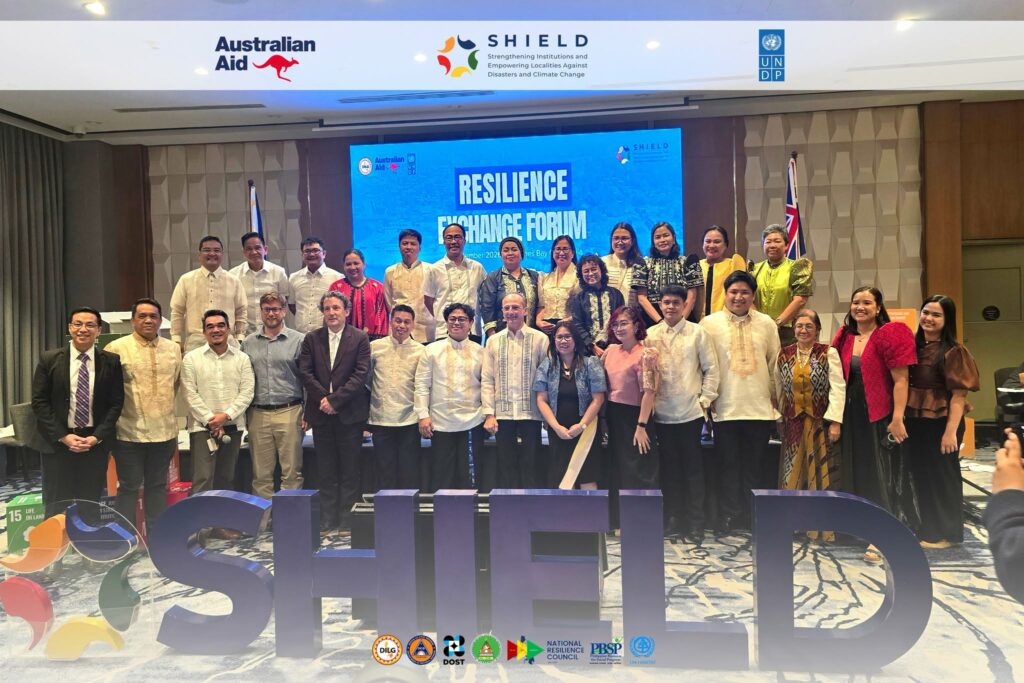
The Resilience Exchange (REX) Forum 2026 is organized under the Strengthening Institutions and Empowering Localities Against Disasters and Climate Change (SHIELD) Programme, with the invaluable support of the Australian Government. The programme is implemented by UNDP Philippines, with the National Resilience Council (NRC) serving as one of its consortium partners. SHIELD is a multi-year partnership […]
SAMBAYANIHAN: Stories of Collective Action for a Resilient Philippines
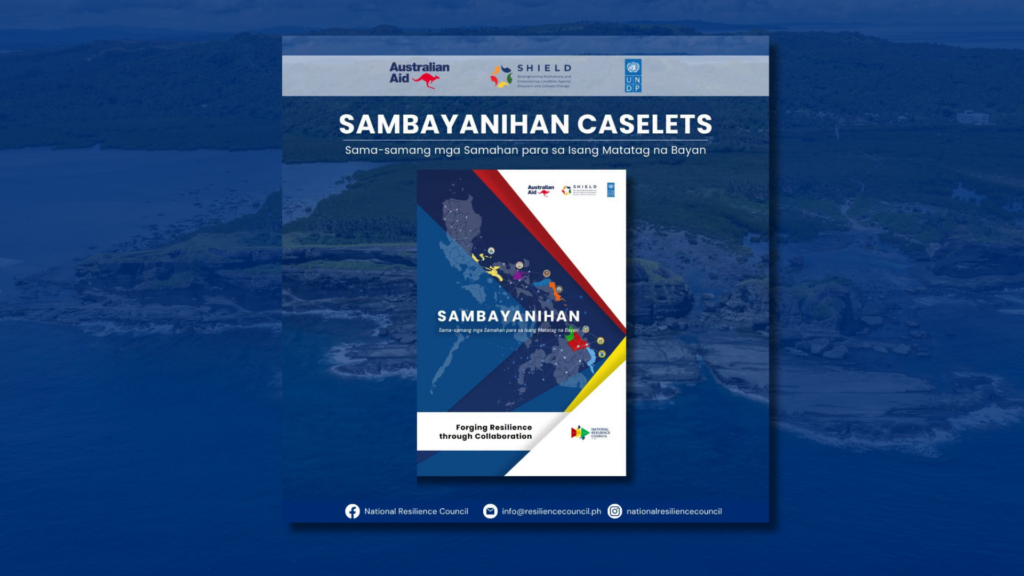
At the heart of the SHIELD Programme is Sama-samang mga Samahan Para sa Isang Matatag na Bayan (SAMBAYANIHAN), a collaborative and multisectoral approach spearheaded and guided by the National Resilience Council (NRC). Rooted in the Filipino tradition of bayanihan, SAMBAYANIHAN brings together communities, local government units, the private sector, civil society, and other stakeholders around […]